Storytelling Experiment Set Water

  • 96001
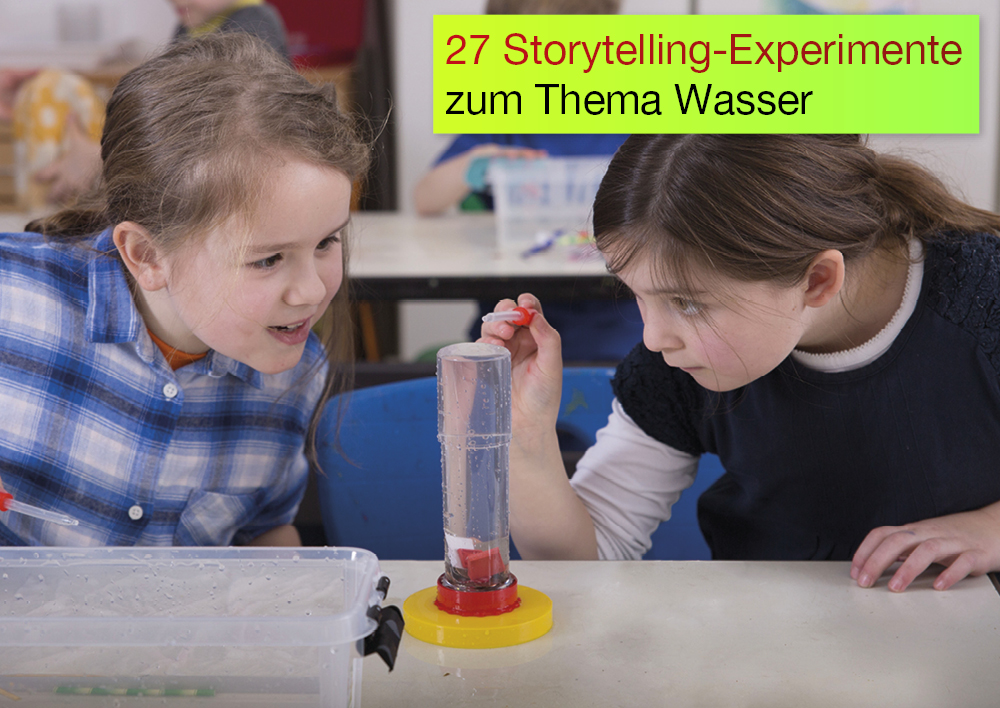
    • 27 child-friendly experiments on the topic of water
    • learning through research and discovery embedded in a story
    • materials for 6 groups, assembled in groups
    • suitable from 1st or 2nd year of school


€539.00 *

incl. VAT plus shipping costs

Delivery time 30 working days

This new concept for learning through research and discovery in general studies links the... more
Storytelling Experiment Set Water

This new concept for learning through research and discovery in general studies links the process for learning through experimentation with the storytelling method, learning with or through stories.

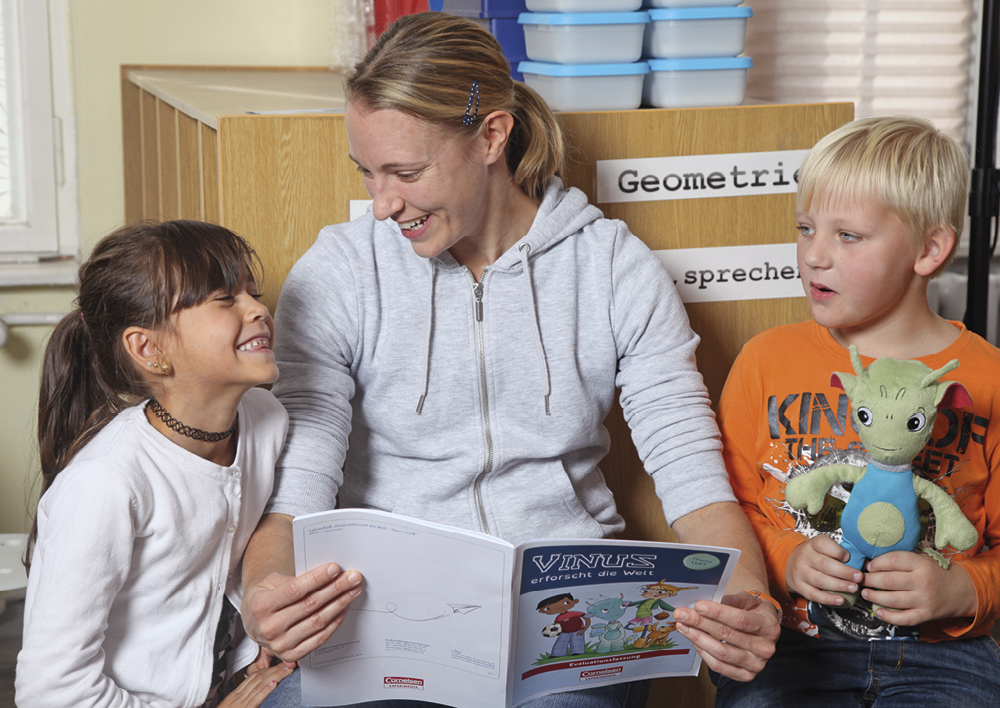
Pupils are engaged emotionally and their personal prior experiences are linked with meaningful contexts for longer lasting knowledge acquisition. The stories - here episodes - about Vinus, Lili, Ben and JoJo introduce factual details from the framework curriculum into the children's living environment.


The episodes on the topic of water

  • Off on a watery adventure (children learn about water and its properties)
  • From frogs and slides (swimming, sinking and diving)
  • Waves, whirlpools and pirates (water in movement / water resistance)
  • I drink, you drink - who else? (water solubility / plant growth)
  • Rain, snow - oh no, oh no (physical states of water / weather)


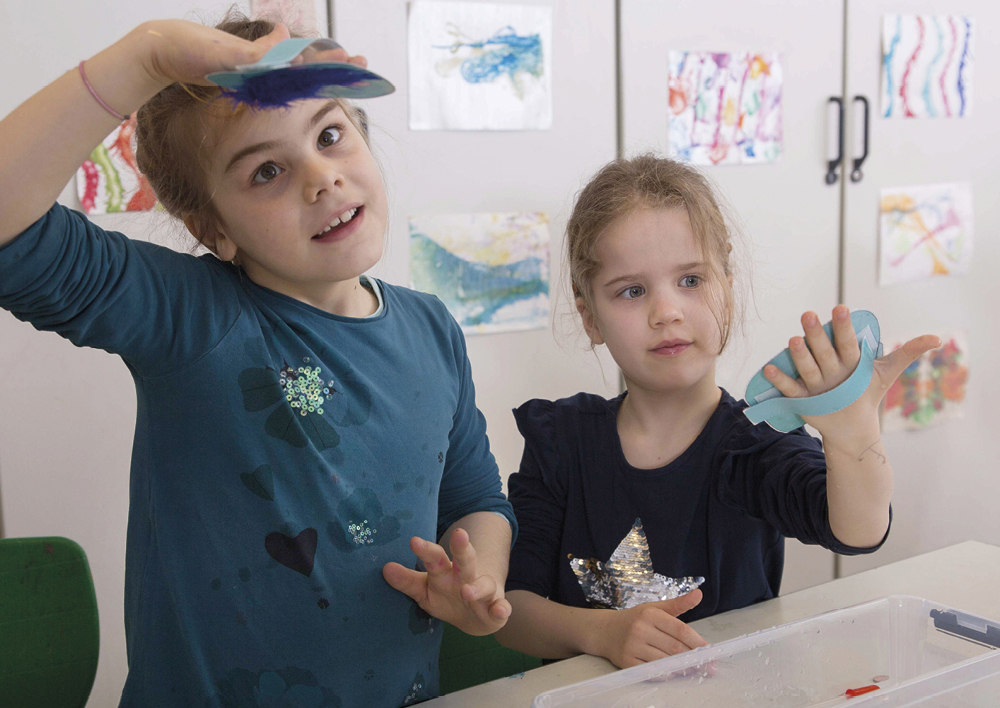
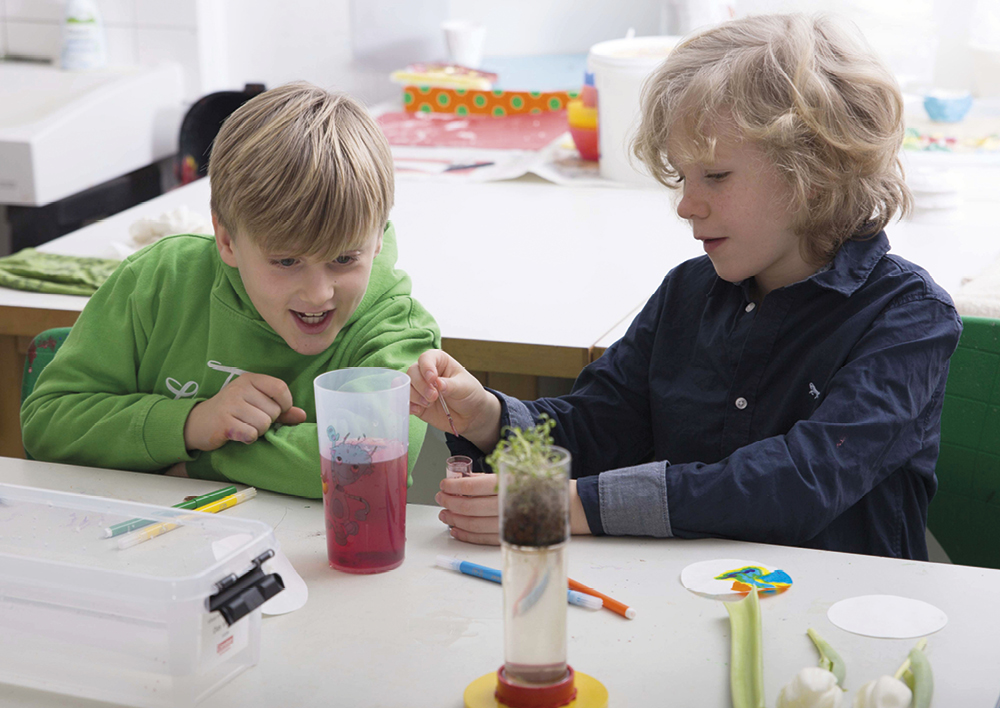
The experimentation materials are presented in a child-friendly context and make it possible to experience natural phenomena. This ensures genuine insight, astonishment and enthusiasm. So there are e.g. VINUS-hands and sensors, skateboards, shovels, webbing etc. which pupils can use to explore the phenomena and experience them themselves.
This helps them genuinely understand. In addition, technical items encourage modelling, constructing, building and modifying.

The Concept Stories help visualise the questions contained in the stories, which pupils should then follow up in their experiments. These help secure understanding and offer support and motivation when carrying out the experiments. At the same time, they leave room for independent thought and suggested solutions.

The stories and materials from "Vinus explores the world" are also suitable for cross-curricular German lessons.

  • 27 child-friendly experiments on the topic of water
  • learning through research and discovery embedded in a story
  • materials for 6 groups, assembled in groups
  • suitable from 1st or 2nd year of school


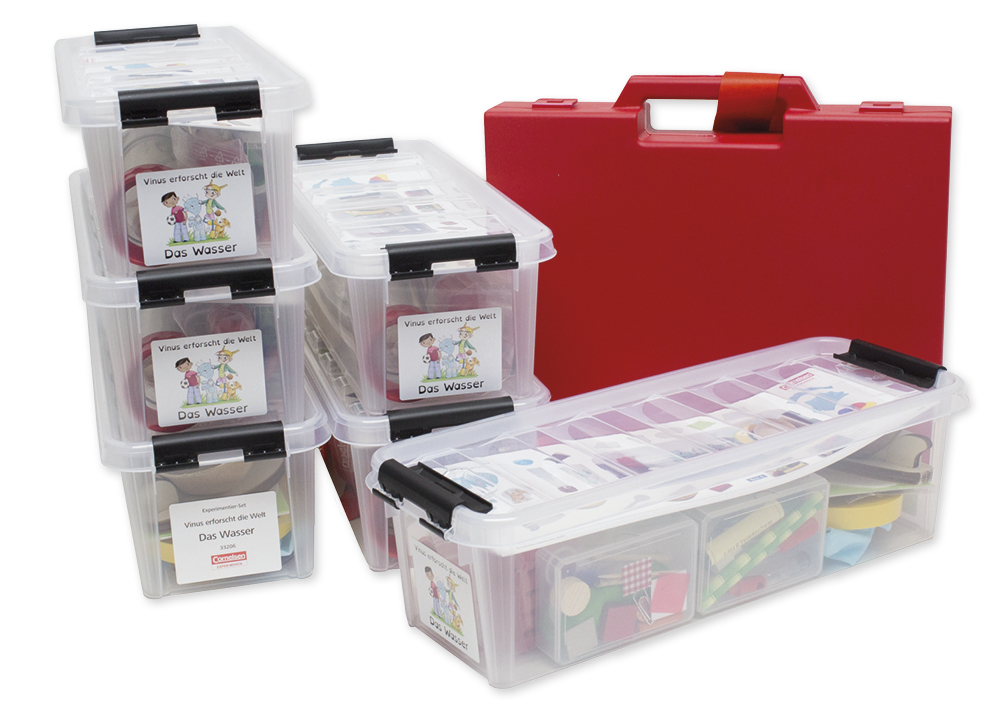
The 6x group set contains: experiment materials for 6 learning groups
For each learning group

  • 6 sets of Concept Stories (each 5 pcs)
  • 1 teacher's guide
  • 1 log book "VINUS explores the world" (as a copy template)
  • 6 cutting templates water lilies
  • 6 cutting templates Vinus hand
  • 6 cutting templates Vinus steering wheel
  • 6 cutting templates JoJo surfer
  • 6 templates lotus leaf
  • 6 cutting templates JoJo drinks
  • additional materials for carrying out the experiments such as dye, salt and sugar samples plus baking powder, ice cube trays etc.


Dimensions case: approx. 32.5 x 24.5 x 5 cm (LxWxH)
Dimensions boxes: approx. 38 x 14 x 11 cm (LxWxH)

The group-specific materials are supplied pre-sorted into 6 individual, transparent plastic boxes with quick-release closure. Each box contains an illustrated overview of the contents, they can be stacked and held together with a strap.
The material to be given out by the teacher and also the teacher's guide are located in a separate plastic case.


The Concept Stories

  • Repeat parts of the story and present problems in images and short texts.
  • Help guide the children and are a prompt for experimentation ideas.
  • Show solution approaches.

The experimentation materials

  • Replicate whatever is described in the story.
  • Are less exemplary and so act as an additional incentive.


Please note:
Allow all materials that
get wet during experimentation to dry thoroughly - this ensures they can continue to be used for a long time. We recommend leaving items to dry for at least 24 hours.
Wet or damp objects must not be put back into the boxes unless these are adequately ventilated. The lids of the plastic boxes with their special drainage rim are a good space-saving option for the drying process.
We also recommend storing the thoroughly dried experimentation materials in the closed boxes until ready to use again. This avoids any long-term impact caused by moisture to the materials and allows plenty more children to have fun experimenting with the items.


Detailed contents:
Material teacher's case:

  • teacher's guide, copy templates
  • 6 sets of Concept Stories (5 pcs)
  • 6 cutting templates (6 pcs)
  • 2 ice cube moulds, different sizes
  • 2 sachets of plant seeds
  • 1 sachet baking powder, 16 g
  • 1 piece adhesive putty, approx. 10 g
  • 6 strips loop fabric band (for hook and loop), self-adhesive
  • 24 hook dots (to go with loop fabric), self-adhesive
  • 18 hook and loop dots, self-adhesive
  • 12 sample bag clips
  • 1 roll sewing thread, 100m
  • 1 tube food colour, red
  • 1 jar with sugar
  • 1 jar of sodium chloride
  • 1 plastic case, approx. 32.5 x 25 x 5 cm
  • 1 strap

Material per pupil box (6 x)

  • 1 measuring cup, plastic, approx. 6.5 cm diameter, 16 cm tall
  • 1 filter pipe with plastic socket connector, approx. 5 cm diameter, 19 cm high
  • 1 plastic cup, approx. 5 cm diameter, 5.5 cm tall
  • 1 bracket for filter pipe made of plastic, approx. 10 cm diameter
  • 1 cleaning cloth
  • 1 silicone lid
  • 1 x expanded clay, approx. 20 g
  • 10 round filter, approx. 9 cm diameter
  • 2 table runners made of nylon, approx. 9 x 9 cm
  • 1 mirror, approx. 9 x 9 cm
  • 1 pair swim webbing made of silicone, for children
  • 1 pair swim gloves made of silicone, for children
  • 3 colour paddles made of plastic, transparent, approx. 15 x 6.5 cm
  • 1 piece of dough, approx. 80 g
  • 1 palm leaf boat, approx. 11 x 6.5 x 2 cm
  • 1 wooden spoon, approx. 12 x 3.5 cm
  • 1 wooden surfboard, approx. 11 x 5 cm
  • accessories in plastic card cases (cardboard straw, plastic droplet pipettes, wax crayon, plastic valve, plastic Cartesian diver, plugs, coarse sieve)
  • small materials in plastic card cases (feathers, balloons, balloon stopper, toothpick, modelling straw, paper clips, cord, rubber rod, Styropor® piece, polystyrene piece, paper sheets, fabric pieces, corrugated card pieces, plastic film, cardboard disc, piece or rubber, glass ball, wooden disc, stone, coins)
  • summary sheet
  • 1 plastic box with quick-release closure, approx. 38 x 13.5 x 10.5 cm
Warning / Safety Instructions

Teaching materials

Product information

This product is designed for teaching and education purposes only under the supervision of an adult (for example, a teacher/trainer).


Viewed
Maximale Zahl der Zeichen für dieses Eingabefeld erreicht